

Sustainable & Holistic Approach
Insights
Low embodied energy • Ethical materials • Life-cycle focused design
True sustainability considers the whole life of a building — from where materials come from, to how the building performs, adapts and endures over time.
Our approach is holistic, balancing environmental responsibility, building performance and human wellbeing through thoughtful design and informed material choices.
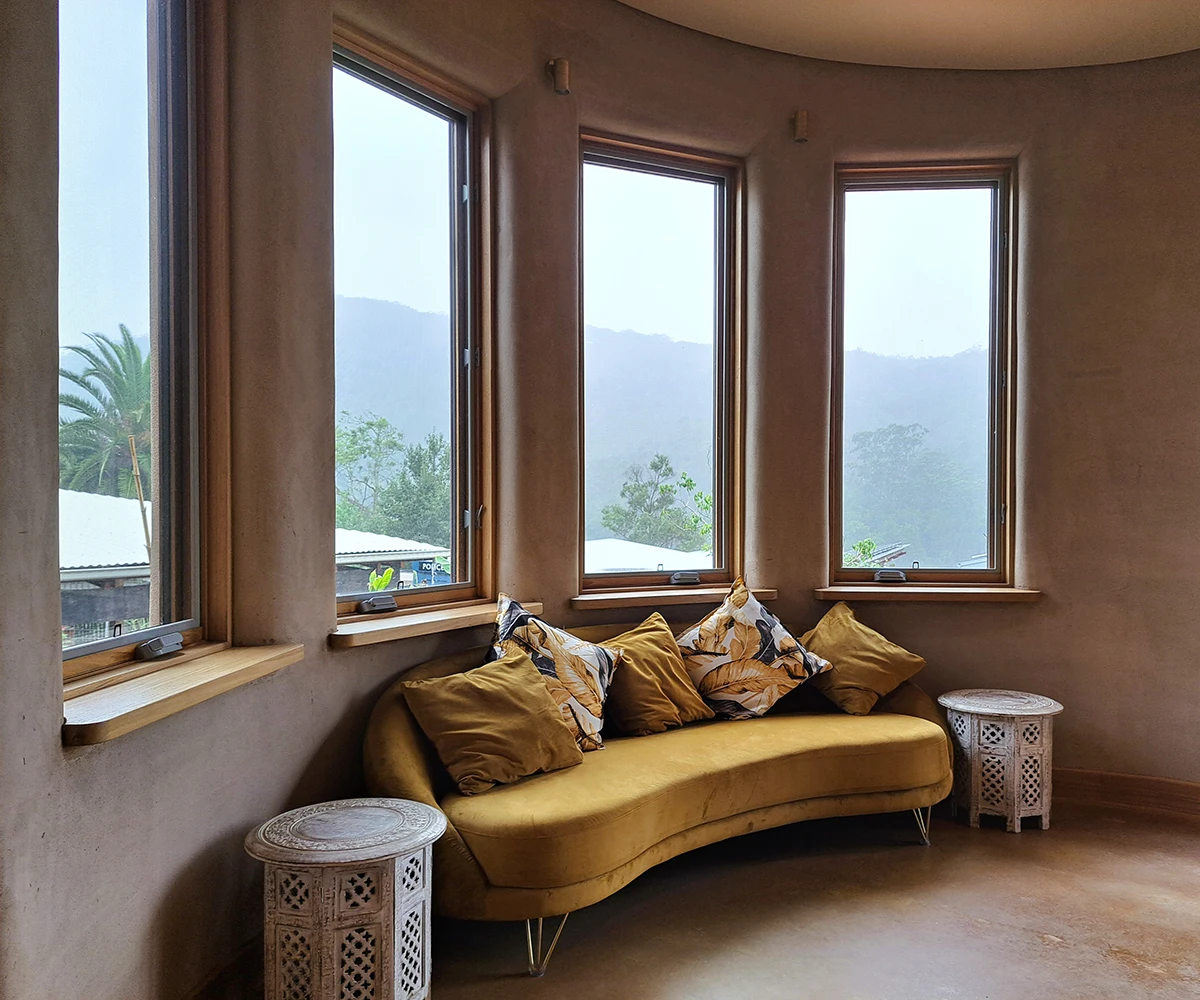
Designing for Low Embodied Energy
While operational energy use is critical, the environmental impact of a building begins long before it is occupied. Embodied energy — the energy required to extract, process, manufacture and transport materials — plays a significant role in a building’s overall footprint.
We design with low embodied energy in mind, favoring materials and systems that require less processing, have long service lives and can be responsibly sourced.
Low embodied energy strategies include:
- Use of minimally processed natural materials
- Reduced reliance on energy-intensive products
- Efficient structural and material design
- Longevity and durability as a core design principle
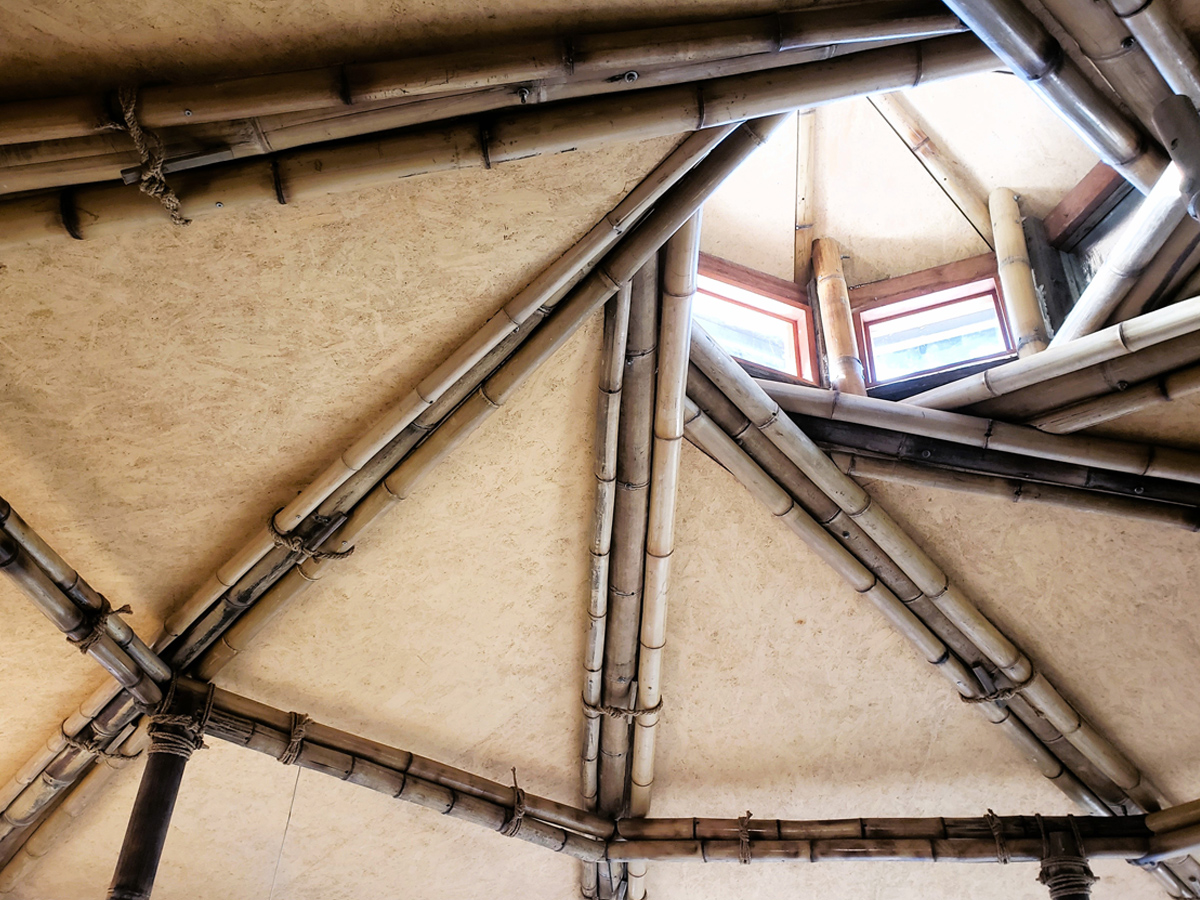
Prioritising Natural, Renewable Materials
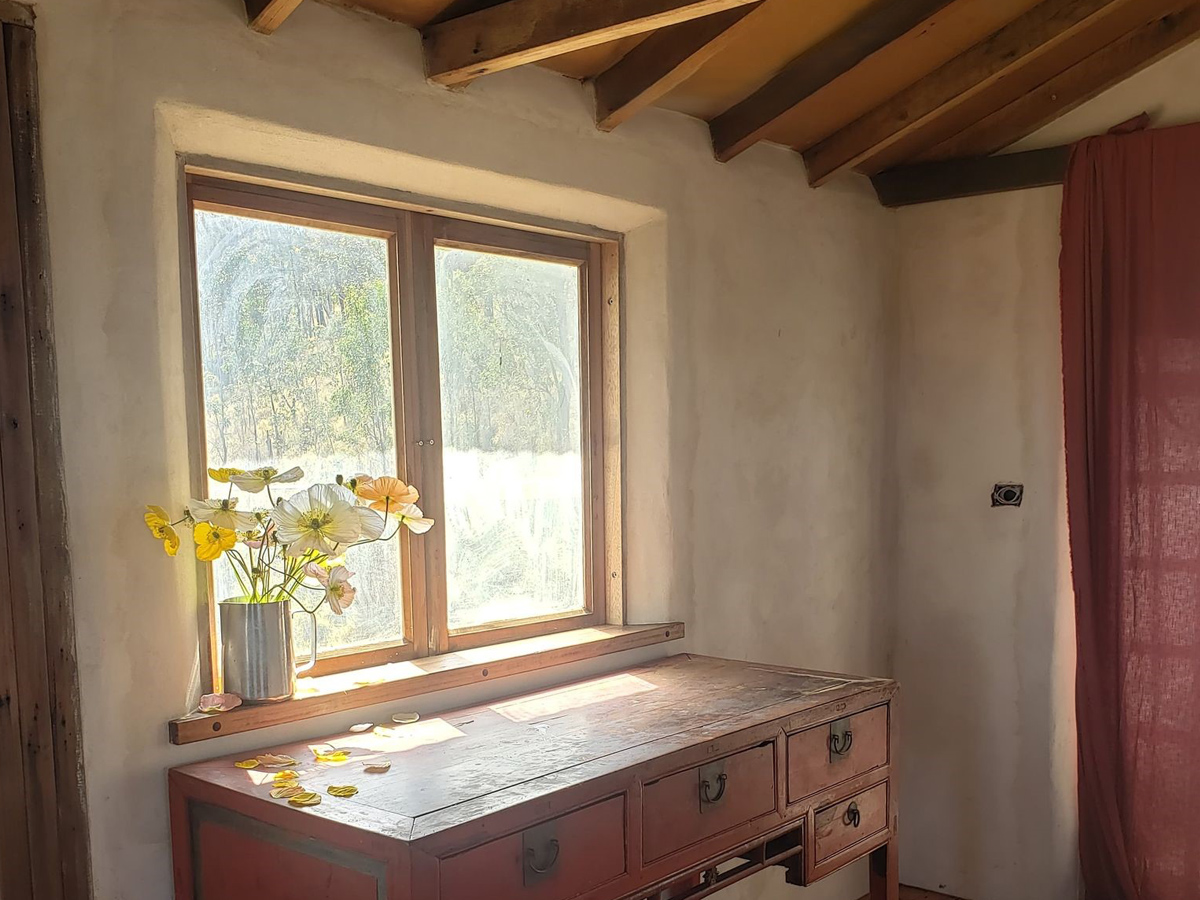
Natural and renewable materials form the foundation of our design approach. Materials such as timber, earth, plant-based fibres and lime-based finishes offer excellent performance while remaining inherently sustainable.
These materials not only reduce environmental impact but also contribute to healthier indoor environments and buildings that age gracefully over time.
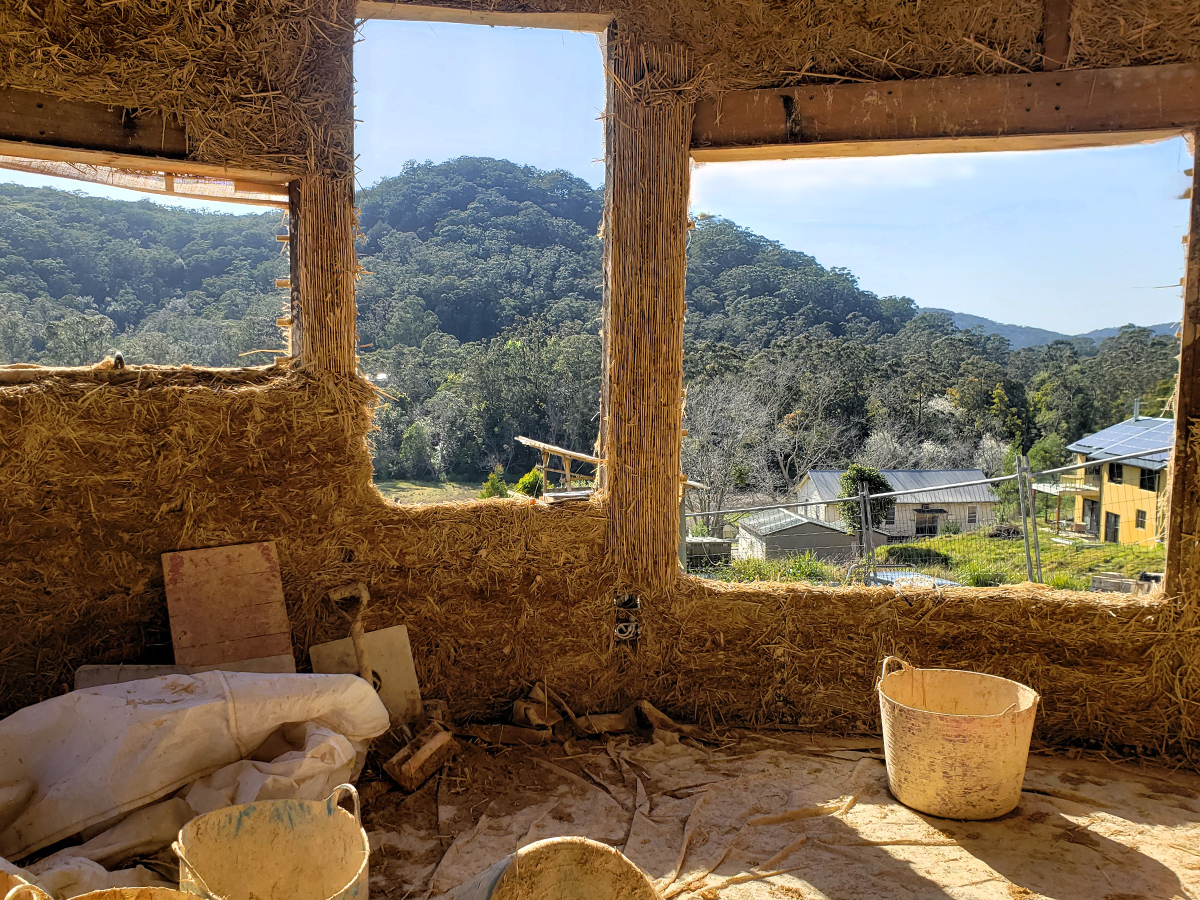
Local, Ethical & Responsibly Sourced Materials
Wherever possible, we prioritise locally sourced and ethically produced materials. Using local materials reduces transport-related emissions, supports regional economies and strengthens the connection between buildings and their place.
Ethical sourcing ensures that materials are produced in ways that respect both people and ecosystems, aligning environmental responsibility with social values.
Benefits of local and ethical sourcing:
- Reduced transport emissions
- Support for local industries and skills
- Greater material traceability
- Stronger connection to place
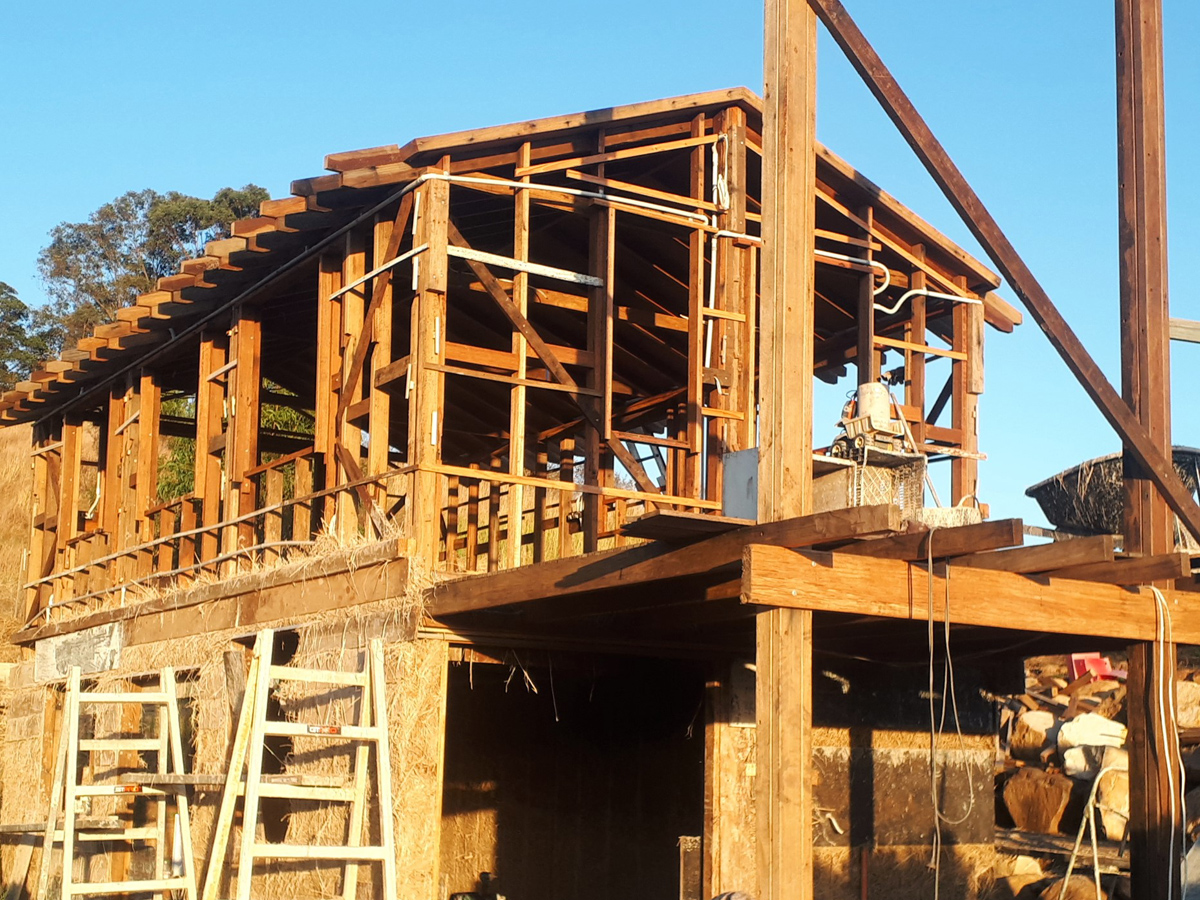
Reclaimed Materials & Circular Design
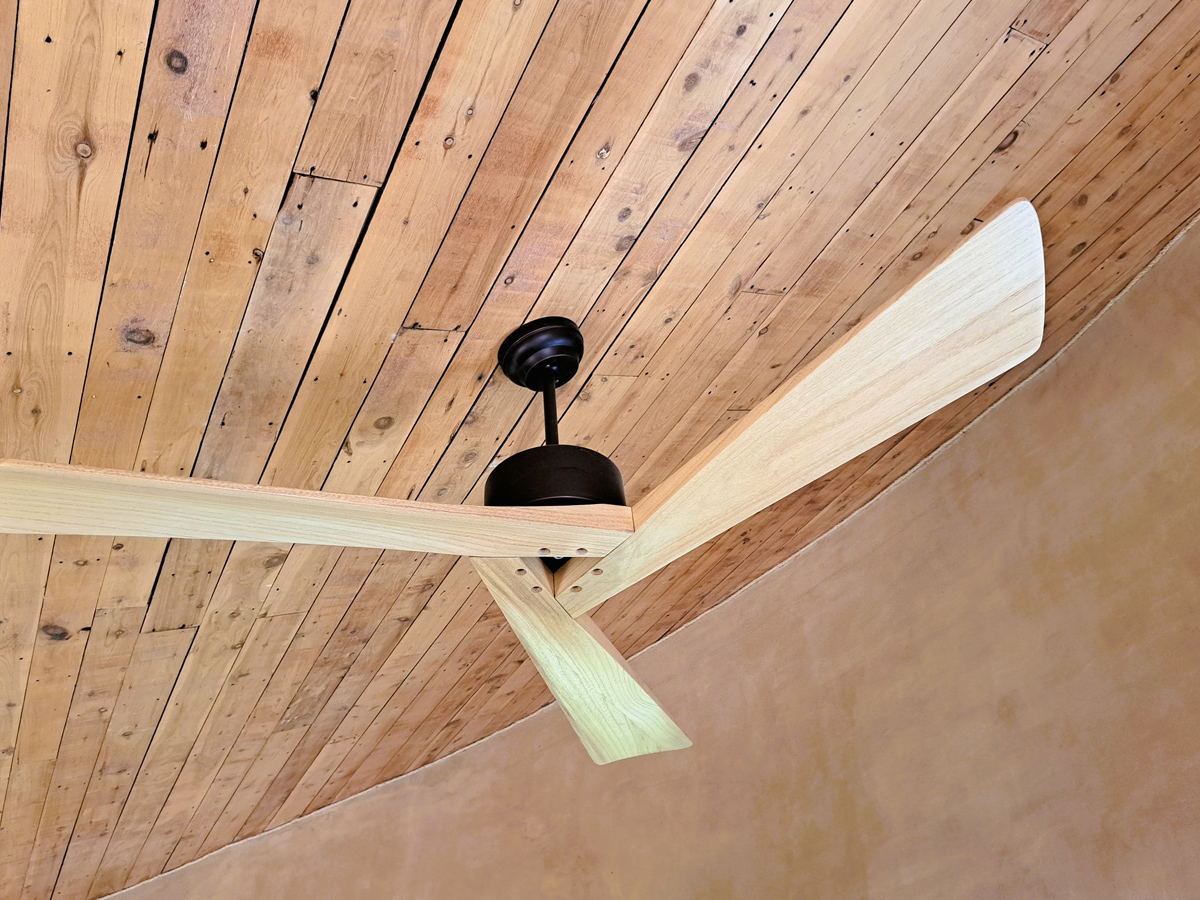
Incorporating reclaimed and reused materials is an important part of our holistic approach. Reclaimed materials reduce waste, extend the life of valuable resources and lessen the demand for new extraction and manufacturing.
This approach supports circular economy principles, where materials are valued, reused and integrated thoughtfully into new buildings.
Life-Cycle Considerations
Sustainability is not achieved through individual material choices alone, but through understanding how a building performs across its entire life cycle.
We consider durability, maintenance, adaptability and end-of-life outcomes during the design process, ensuring buildings remain functional, efficient and relevant for generations.
Life-cycle focused outcomes:
- Reduced long-term environmental impact
- Lower maintenance and replacement needs
- Adaptable, future-ready buildings
- Materials that can be reused or returned to natural cycles
A Balanced, Holistic Approach
By integrating low embodied energy design, natural and renewable materials, ethical sourcing and life-cycle thinking, we create buildings that are genuinely sustainable — not only in concept, but in practice.
This holistic approach results in spaces that are resilient, responsible and deeply connected to both people and place.
Interested in a more considered approach to sustainability?
Let’s explore how holistic design can shape your project.