

Resilient, Energy-Efficient Buildings
Insights
High-performance • Solar passive • Climate-responsive & Bushfire-resilient
Resilient buildings are those that perform reliably over time — maintaining comfort, efficiency and safety while responding to their climate and environment.
Through high-performance design, passive solar principles and climate-responsive detailing, we create buildings that use less energy, remain comfortable year-round and are better equipped to withstand Australia’s increasingly challenging conditions.
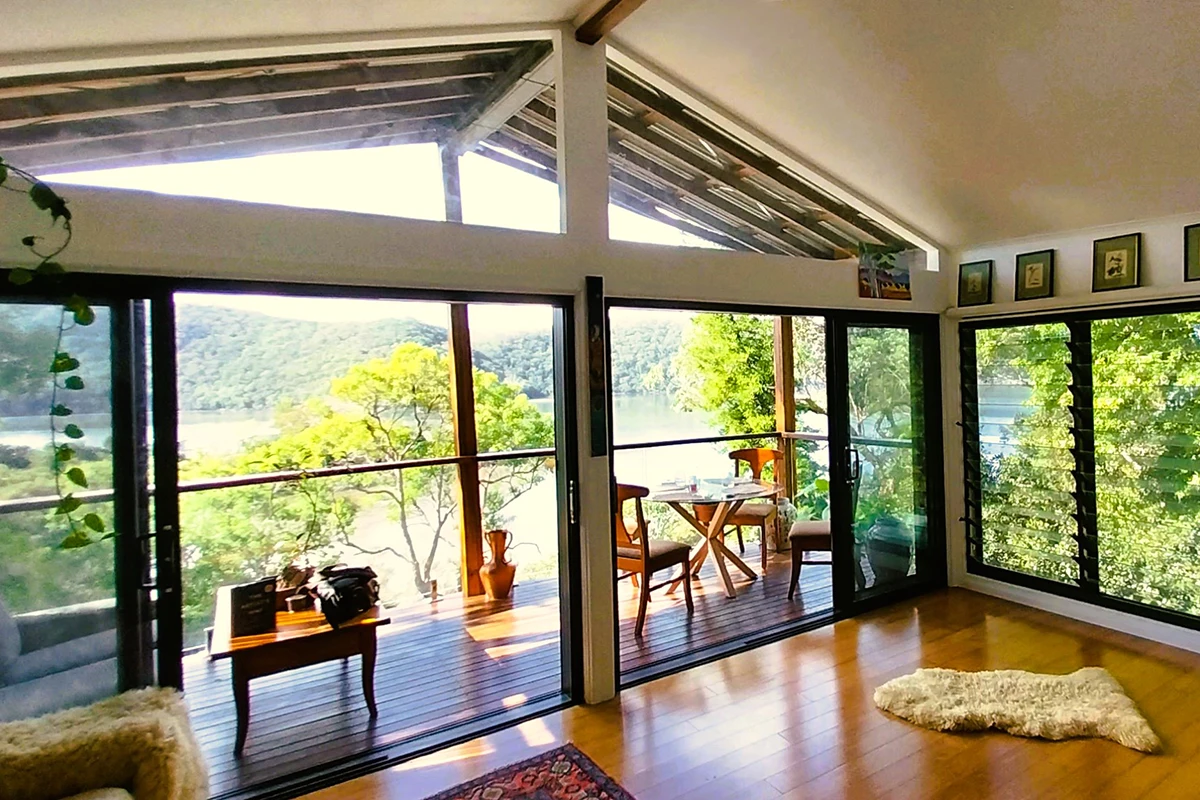
High-Performance Design Beyond Energy Efficiency
True building performance goes beyond reducing energy consumption alone. It considers comfort, durability, health and long-term resilience.
We design buildings that integrate high-performing materials, building systems and detailing to minimise energy demand while maximising comfort — combining proven low-tech strategies with appropriate high-tech solutions where they add genuine value.
Performance outcomes:
- Reduced heating and cooling demand
- Stable internal temperatures
- Improved long-term durability
- Lower operational energy use

Solar Passive & Climate Responsive Design
Passive solar design lies at the heart of our approach. By carefully considering building orientation, shading, glazing, thermal mass and insulation, we harness the sun’s energy when it is beneficial and protect against heat when it is not.
Every design responds to its specific site and climate, ensuring buildings are naturally comfortable and efficient across the seasons without over-reliance on mechanical systems.
Key passive strategies:
- Orientation to optimise winter sun and summer shading
- Natural ventilation for cooling and air movement
- Thermal mass to moderate temperature swings
- Insulation to reduce heat loss and gain
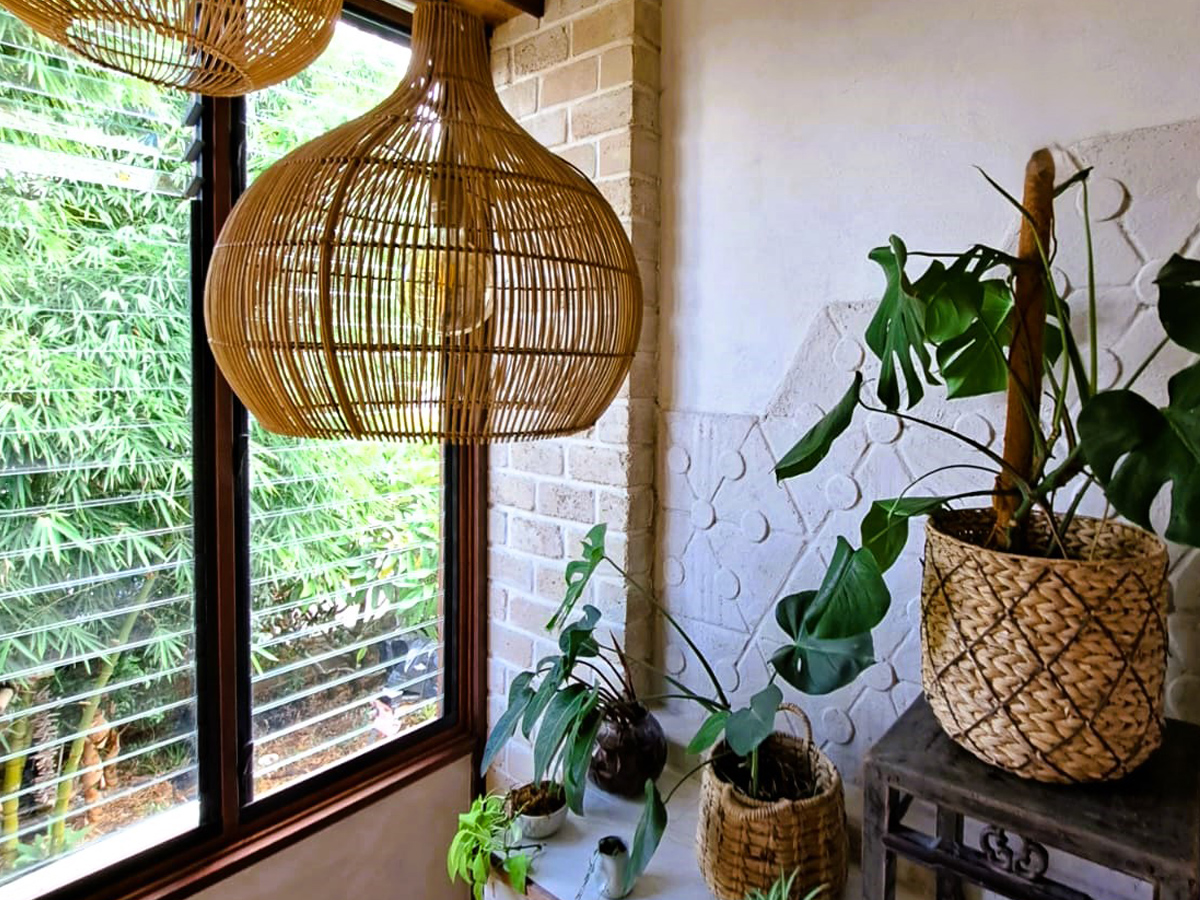
Natural Materials & Breathable Building Systems
Natural materials play a critical role in resilient, high-performance buildings. Breathable wall systems allow buildings to manage moisture naturally, improving durability and reducing the risk of condensation and mould.
When combined with good passive design, these systems contribute to stable indoor environments that perform consistently over time.
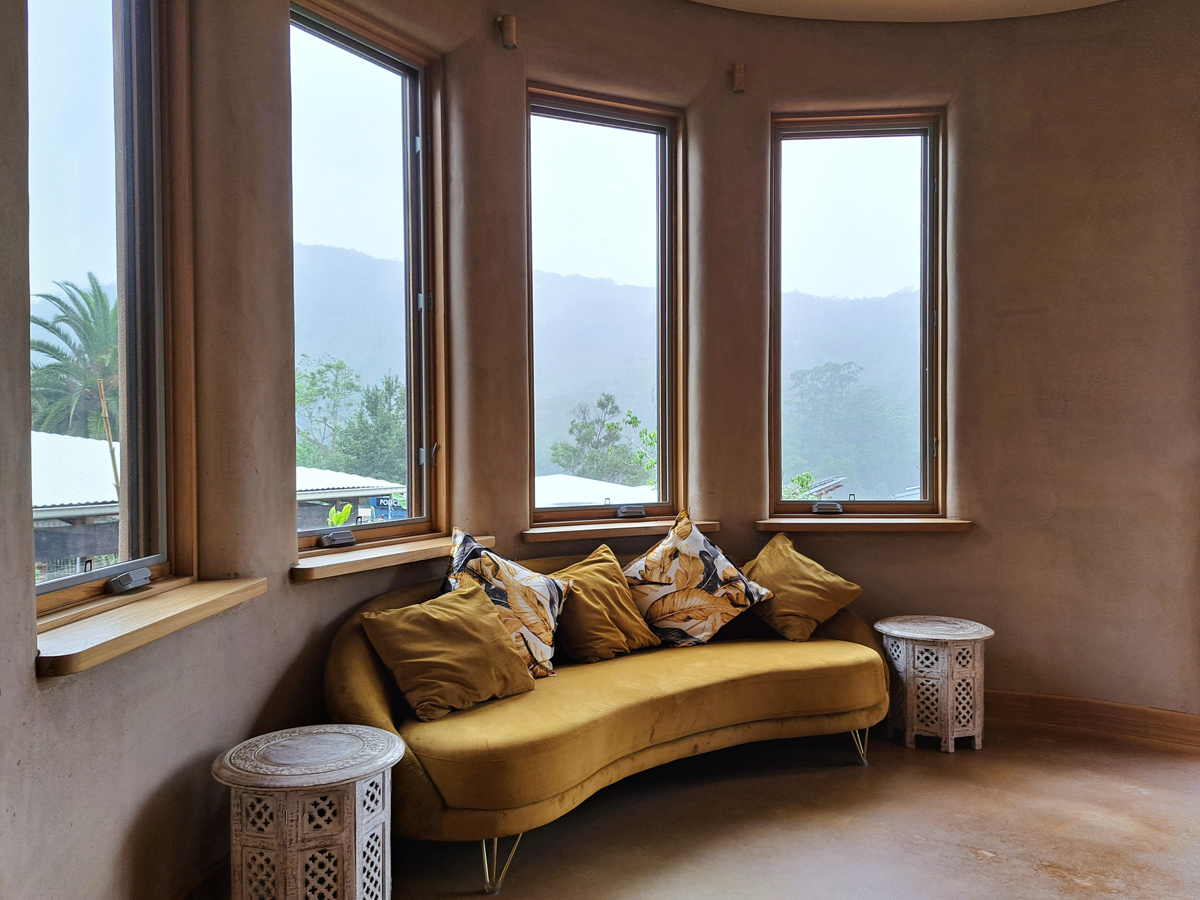
Bushfire-Responsive Design for Australian Conditions
Designing for resilience in Australia means addressing bushfire risk as an integral part of the design process.
We incorporate bushfire-responsive strategies from the outset, including material selection, detailing, layout and construction methods that improve fire resistance and durability, while maintaining the health and performance benefits of natural building systems.
Bushfire-responsive considerations include:
- Appropriate material selection and detailing
- Reduced ember entry through careful design
- Durable external finishes
- Integration with BAL requirements

Measured Performance & Collaborative Design
To ensure our buildings perform as intended, we work closely with NatHERS and Passive House consultants during the design process.
Our goal is to exceed the current minimum energy efficiency standards, with residential designs typically surpassing the 7-star NatHERS requirement, delivering homes that perform well both on paper and in lived experience.

Buildings Designed for the Future
By blending passive solar principles, climate-responsive design, high-performance materials and bushfire-aware detailing, we create buildings that are resilient, efficient and future-ready.
These are buildings designed to adapt, endure and provide lasting comfort in a changing climate.

Looking to build a resilient, energy-efficient home designed for Australian conditions?
Let’s explore a performance-driven approach that’s built to last.